Whether you are replacing a mirror, an alternator, or an engine computer, the questions are usually the same. Below are the answers that matter most before you order.
Are used auto parts worth it?
Used auto parts are worth it for most repairs on vehicles out of warranty, and the savings are substantial rather than marginal.
A used original part typically costs a fraction of the dealer price for the same component, and because it came off a vehicle rather than a production line building generic equivalents, it fits and functions exactly as the original did.
The main advantages are:
-
Cost. Considerably less than new dealer pricing for the same factory part.
-
Fit. Original components match the mounting points, connectors, and electronics your vehicle was built with.
-
Availability. Parts remain obtainable long after manufacturers discontinue them.
-
Environmental sense. Reusing a component avoids the manufacturing and shipping of a new one.
The trade-off is condition, since the part has been in service. That is why inspection standards and warranty terms matter more when buying used than they do when buying new.
Which auto parts are safe to buy used?
Most parts are safe to buy used, and the ones that are not tend to be wear items rather than components.
Parts that suit buying used:
-
Body panels, mirrors, lights and trim
-
Interior components such as seats, consoles and switches
-
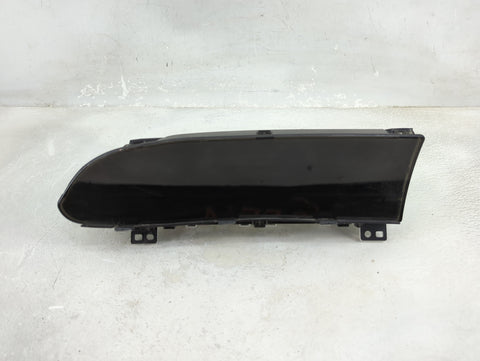
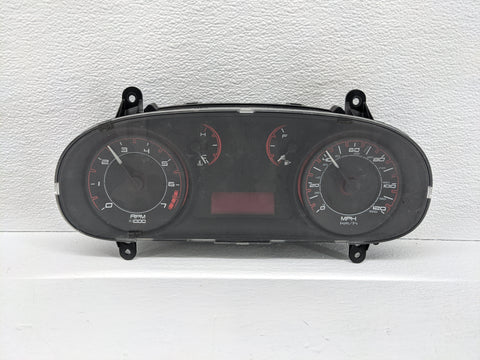
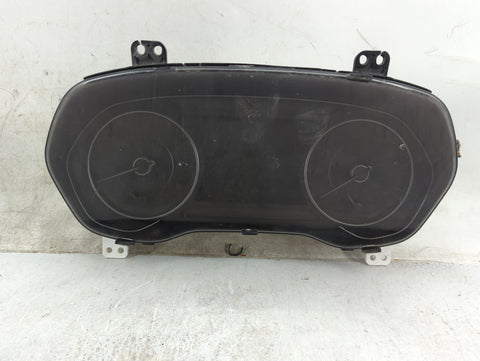
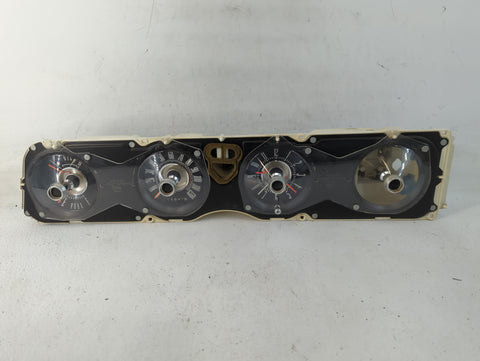
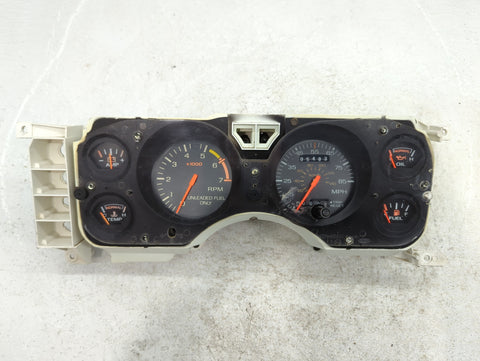
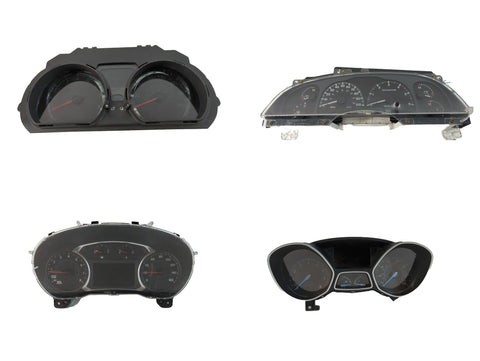
Electronics including radios, instrument clusters and control modules
-
Mechanical assemblies such as alternators, starters and compressors
-
Transmissions, differentials and axle assemblies
Parts better bought new:
-
Brake pads, discs and other friction components
-
Filters, belts and hoses
-
Spark plugs and ignition components
-
Anything designed to wear out as part of normal service
The distinction is simple. A component built to last the life of the vehicle is worth buying used, while anything designed to be replaced periodically has already used up part of its life before it reaches you.
How much do used auto parts cost?
Used auto parts generally cost between 40 and 80 percent less than the equivalent new part from a dealer, with the exact figure depending on the part and the vehicle.
Several things affect the price:
-
The type of part, since a trim panel and a control module are very different products
-
How common the vehicle is, as parts for high-volume models cost less
-
Whether the part is electronic, which requires testing before resale
-
Whether shipping is included in the listed price
-
What warranty comes with it
Most common components fall between $20 and $200, with larger assemblies running higher. You can browse parts by category to see current pricing across the range.
A price well below the usual range is worth treating cautiously. Inspection, testing and proper handling all cost money, and a seller undercutting the market substantially is often skipping one of them.
What warranty comes with used parts?
Warranty terms vary considerably between sellers, and they are one of the clearest indicators of how a business operates.
A defined warranty period means the seller carries the risk of a faulty part rather than leaving it with you. A listing with no stated terms leaves you with no recourse if the component does not work.
What to look for:
-
A stated warranty period rather than a vague assurance
-
Clarity on whether electronics are covered on the same terms as mechanical parts
-
Whether labor is included, which it usually is not
-
What the returns process involves if the part is wrong
-
Whether the warranty is free or charged as an extra
At OEM Used Auto Parts, every part carries a free 90-day warranty covering defective components, with extended cover available depending on the part. Engines and transmissions carry 30 days rather than 90.
How long do used auto parts last?
A used part in good condition can last as long as the vehicle it goes into, since it is the same component the manufacturer originally fitted.
What determines lifespan is condition at the point of sale rather than age. A low-mileage part from a vehicle written off after an accident has considerably more life left than a high-mileage part from a car that reached the end of its natural life.
This is why inspection matters. A seller that checks parts before listing is telling you something about the condition, while one selling components as they came off the vehicle is not.
Electronic modules are the category where this matters most, since nothing about their condition is visible and a fault may only appear once the part is installed and running.
Where to buy used auto parts?
Used auto parts are sold through salvage yards, online marketplaces and specialist retailers, and the three differ considerably in what they offer.
-
Salvage yards are cheapest if the part is in stock locally, though inventory is limited to what has recently come through and you often remove the part yourself.
-
Online marketplaces carry enormous selection with inconsistent quality, since condition and warranty depend entirely on the individual seller.
-
Specialist retailers hold their own inspected inventory, publish fitment information, and apply consistent terms across every order.
OEM Used Auto Parts sources genuine factory parts from salvage yards across the country, cleans and inspects each one before listing, and publishes the manufacturer part number and a compatibility chart on every product page.
Shipping is free across the contiguous 48 states, no core charge applies to any part, and the catalog covers electronics, interiors, lighting, and mechanical components for most common makes.
Finding the right part for your vehicle
The part that fits is the one that matches your vehicle's specification rather than simply its model name.
Start with the part number from the component you are replacing, since that is the only reliable way to confirm a match. If the old part is already gone, your VIN identifies the exact build of your vehicle, including trim and factory options.
From there, check the listing gives you the years, make, model, and engine the part came from, and confirm the options match, since heated mirrors, premium audio, and similar all change part numbers on components that otherwise look identical.
Search by vehicle make and model to narrow the catalog to parts built for your car before comparing anything else.