

-
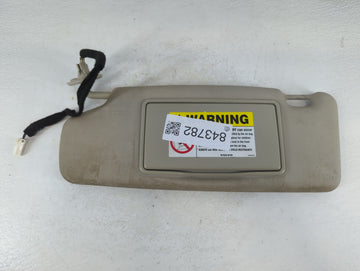
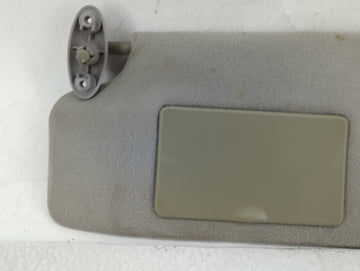
2000-2003 Volvo V40 Sun Visor Shade Replacement Driver Left Mirror Fits Fits 2000 2001 2002 2003 OEM Used Auto Parts
2000-2003 Volvo V40 Sun Visor Shade Replacement Driver Left Mirror Fits Fits 2000 2001 2002 2003 OEM Used Auto Parts
SKU: 843782Regular price $ 34.41Sale price $ 34.41 Regular priceUnit price per$ 79.00Sale -
2000-2003 Volvo V40 Sun Visor Shade Replacement Passenger Right Mirror Fits Fits 2000 2001 2002 2003 OEM Used Auto Parts
2000-2003 Volvo V40 Sun Visor Shade Replacement Passenger Right Mirror Fits Fits 2000 2001 2002 2003 OEM Used Auto Parts
SKU: 843783Regular price $ 34.41Sale price $ 34.41 Regular priceUnit price per$ 49.00Sale -
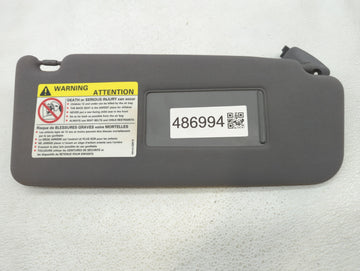
2000-2004 Audi A6 Sun Visor Shade Replacement Passenger Right Mirror Fits Fits 2000 2001 2002 2003 2004 OEM Used Auto Parts
2000-2004 Audi A6 Sun Visor Shade Replacement Passenger Right Mirror Fits Fits 2000 2001 2002 2003 2004 OEM Used Auto Parts
SKU: 486994Regular price $ 34.41Sale price $ 34.41 Regular priceUnit price per$ 26.41 -
2000-2004 Cadillac Seville Sun Visor Shade Replacement Driver Left Mirror Fits Fits 2000 2001 2002 2003 2004 2005 OEM Used Auto Parts
2000-2004 Cadillac Seville Sun Visor Shade Replacement Driver Left Mirror Fits Fits 2000 2001 2002 2003 2004 2005 OEM Used Auto Parts
SKU: 1021974Regular price $ 44.42Sale price $ 44.42 Regular priceUnit price per$ 95.00Sale -
2000-2004 Cadillac Seville Sun Visor Shade Replacement Passenger Right Mirror Fits Fits 2000 2001 2002 2003 2004 2005 OEM Used Auto Parts
2000-2004 Cadillac Seville Sun Visor Shade Replacement Passenger Right Mirror Fits Fits 2000 2001 2002 2003 2004 2005 OEM Used Auto Parts
SKU: 1021975Regular price $ 34.41Sale price $ 34.41 Regular priceUnit price per$ 48.30Sale -
2000-2004 Chrysler Concorde Sun Visor Shade Replacement Driver Left Mirror Fits Fits 2000 2001 2002 2003 2004 OEM Used Auto Parts
2000-2004 Chrysler Concorde Sun Visor Shade Replacement Driver Left Mirror Fits Fits 2000 2001 2002 2003 2004 OEM Used Auto Parts
SKU: 1223307Regular price $ 54.43Sale price $ 54.43 Regular priceUnit price per$ 52.34 -
2000-2004 Chrysler Concorde Sun Visor Shade Replacement Passenger Right Mirror Fits Fits 2000 2001 2002 2003 2004 OEM Used Auto Parts
2000-2004 Chrysler Concorde Sun Visor Shade Replacement Passenger Right Mirror Fits Fits 2000 2001 2002 2003 2004 OEM Used Auto Parts
SKU: 800040Regular price $ 34.41Sale price $ 34.41 Regular priceUnit price per$ 34.58Sale -
2000-2004 Chrysler Concorde Sun Visor Shade Replacement Passenger Right Mirror Fits Fits 2000 2001 2002 2003 2004 OEM Used Auto Parts
2000-2004 Chrysler Concorde Sun Visor Shade Replacement Passenger Right Mirror Fits Fits 2000 2001 2002 2003 2004 OEM Used Auto Parts
SKU: 1024031Regular price $ 34.41Sale price $ 34.41 Regular priceUnit price per$ 34.58Sale -
2000-2004 Chrysler Concorde Sun Visor Shade Replacement Passenger Right Mirror Fits Fits 2000 2001 2002 2003 2004 OEM Used Auto Parts
2000-2004 Chrysler Concorde Sun Visor Shade Replacement Passenger Right Mirror Fits Fits 2000 2001 2002 2003 2004 OEM Used Auto Parts
SKU: 1223280Regular price $ 54.41Sale price $ 54.41 Regular priceUnit price per$ 32.66 -
2000-2004 Ford Focus Sun Visor Shade Replacement Driver Left Mirror Fits Fits 2000 2001 2002 2003 2004 OEM Used Auto Parts
2000-2004 Ford Focus Sun Visor Shade Replacement Driver Left Mirror Fits Fits 2000 2001 2002 2003 2004 OEM Used Auto Parts
SKU: 1068023Regular price $ 39.47Sale price $ 39.47 Regular priceUnit price per$ 70.00Sale -
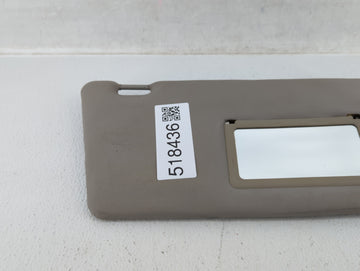
2000-2004 Ford Focus Sun Visor Shade Replacement Passenger Right Mirror Fits Fits 2000 2001 2002 2003 2004 OEM Used Auto Parts
2000-2004 Ford Focus Sun Visor Shade Replacement Passenger Right Mirror Fits Fits 2000 2001 2002 2003 2004 OEM Used Auto Parts
SKU: 518436Regular price $ 34.41Sale price $ 34.41 Regular priceUnit price per$ 26.88 -
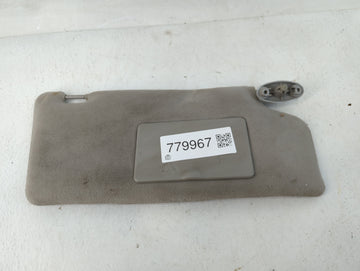
2000-2004 Ford Focus Sun Visor Shade Replacement Passenger Right Mirror Fits Fits 2000 2001 2002 2003 2004 OEM Used Auto Parts
2000-2004 Ford Focus Sun Visor Shade Replacement Passenger Right Mirror Fits Fits 2000 2001 2002 2003 2004 OEM Used Auto Parts
SKU: 779967Regular price $ 34.41Sale price $ 34.41 Regular priceUnit price per$ 27.07 -
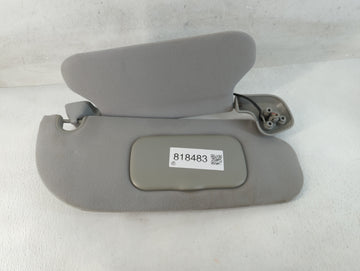
2000-2004 Ford Focus Sun Visor Shade Replacement Passenger Right Mirror Fits Fits 2000 2001 2002 2003 2004 OEM Used Auto Parts
2000-2004 Ford Focus Sun Visor Shade Replacement Passenger Right Mirror Fits Fits 2000 2001 2002 2003 2004 OEM Used Auto Parts
SKU: 818483Regular price $ 34.41Sale price $ 34.41 Regular priceUnit price per$ 34.41 -
2000-2004 Ford Focus Sun Visor Shade Replacement Passenger Right Mirror Fits Fits 2000 2001 2002 2003 2004 OEM Used Auto Parts
2000-2004 Ford Focus Sun Visor Shade Replacement Passenger Right Mirror Fits Fits 2000 2001 2002 2003 2004 OEM Used Auto Parts
SKU: 939730Regular price $ 34.41Sale price $ 34.41 Regular priceUnit price per$ 34.41 -
2000-2004 Ford Focus Sun Visor Shade Replacement Passenger Right Mirror Fits Fits 2000 2001 2002 2003 2004 OEM Used Auto Parts
2000-2004 Ford Focus Sun Visor Shade Replacement Passenger Right Mirror Fits Fits 2000 2001 2002 2003 2004 OEM Used Auto Parts
SKU: 817333Regular price $ 29.59Sale price $ 29.59 Regular priceUnit price per$ 29.59 -
2000-2004 Ford Focus Sun Visor Shade Replacement Passenger Right Mirror Fits Fits 2000 2001 2002 2003 2004 OEM Used Auto Parts
2000-2004 Ford Focus Sun Visor Shade Replacement Passenger Right Mirror Fits Fits 2000 2001 2002 2003 2004 OEM Used Auto Parts
SKU: 1068024Regular price $ 38.42Sale price $ 38.42 Regular priceUnit price per$ 63.00Sale -
2000-2004 Ford Mustang Sun Visor Shade Replacement Driver Left Mirror Fits Fits 2000 2001 2002 2003 2004 OEM Used Auto Parts
2000-2004 Ford Mustang Sun Visor Shade Replacement Driver Left Mirror Fits Fits 2000 2001 2002 2003 2004 OEM Used Auto Parts
SKU: 1423553Regular price $ 71.99Sale price $ 71.99 Regular priceUnit price per$ 79.64Sale -
2000-2004 Oldsmobile Alero Sun Visor Shade Replacement Passenger Right Mirror Fits Fits 2000 2001 2002 2003 2004 2005 OEM Used Auto Parts
2000-2004 Oldsmobile Alero Sun Visor Shade Replacement Passenger Right Mirror Fits Fits 2000 2001 2002 2003 2004 2005 OEM Used Auto Parts
SKU: 1025498Regular price $ 44.19Sale price $ 44.19 Regular priceUnit price per$ 93.00Sale -
2000-2005 Buick Lesabre Sun Visor Shade Replacement Passenger Right Mirror Fits Fits 2000 2001 2002 2003 2004 2005 OEM Used Auto Parts
2000-2005 Buick Lesabre Sun Visor Shade Replacement Passenger Right Mirror Fits Fits 2000 2001 2002 2003 2004 2005 OEM Used Auto Parts
SKU: 1218194Regular price $ 54.56Sale price $ 54.56 Regular priceUnit price per$ 54.59Sale -
2000-2005 Buick Lesabre Sun Visor Shade Replacement Passenger Right Mirror Fits Fits 2000 2001 2002 2003 2004 2005 OEM Used Auto Parts
2000-2005 Buick Lesabre Sun Visor Shade Replacement Passenger Right Mirror Fits Fits 2000 2001 2002 2003 2004 2005 OEM Used Auto Parts
SKU: 1134477Regular price $ 39.40Sale price $ 39.40 Regular priceUnit price per$ 102.00Sale -
2000-2005 Cadillac Deville Sun Visor Shade Replacement Passenger Right Mirror Fits Fits 2000 2001 2002 2003 2004 2005 OEM Used Auto Parts
2000-2005 Cadillac Deville Sun Visor Shade Replacement Passenger Right Mirror Fits Fits 2000 2001 2002 2003 2004 2005 OEM Used Auto Parts
SKU: 695175Regular price $ 34.41Sale price $ 34.41 Regular priceUnit price per$ 96.60Sale -
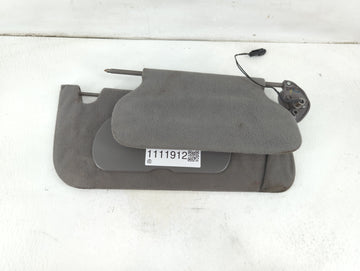
2000-2005 Cadillac Deville Sun Visor Shade Replacement Passenger Right Mirror Fits Fits 2000 2001 2002 2003 2004 2005 OEM Used Auto Parts
2000-2005 Cadillac Deville Sun Visor Shade Replacement Passenger Right Mirror Fits Fits 2000 2001 2002 2003 2004 2005 OEM Used Auto Parts
SKU: 1111912Regular price $ 34.41Sale price $ 34.41 Regular priceUnit price per$ 62.00Sale -
2000-2005 Cadillac Deville Sun Visor Shade Replacement Passenger Right Mirror Fits Fits 2000 2001 2002 2003 2004 2005 OEM Used Auto Parts
2000-2005 Cadillac Deville Sun Visor Shade Replacement Passenger Right Mirror Fits Fits 2000 2001 2002 2003 2004 2005 OEM Used Auto Parts
SKU: 847616Regular price $ 34.41Sale price $ 34.41 Regular priceUnit price per$ 45.80Sale -
2000-2005 Cadillac Deville Sun Visor Shade Replacement Passenger Right Mirror Fits Fits 2000 2001 2002 2003 2004 2005 OEM Used Auto Parts
2000-2005 Cadillac Deville Sun Visor Shade Replacement Passenger Right Mirror Fits Fits 2000 2001 2002 2003 2004 2005 OEM Used Auto Parts
SKU: 849222Regular price $ 32.71Sale price $ 32.71 Regular priceUnit price per$ 32.71 -
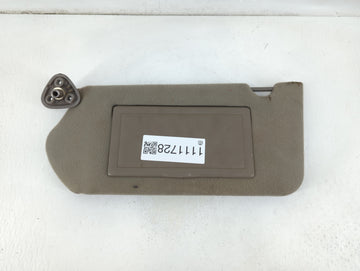
2000-2005 Chevrolet Impala Sun Visor Shade Replacement Driver Left Mirror Fits Fits 2000 2001 2002 2003 2004 2005 OEM Used Auto Parts
2000-2005 Chevrolet Impala Sun Visor Shade Replacement Driver Left Mirror Fits Fits 2000 2001 2002 2003 2004 2005 OEM Used Auto Parts
SKU: 1111728Regular price $ 34.41Sale price $ 34.41 Regular priceUnit price per$ 43.74Sale -
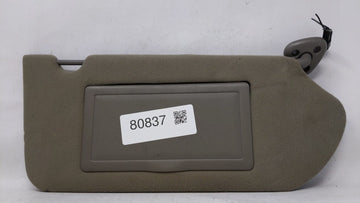
2000-2005 Chevrolet Impala Sun Visor Shade Replacement Passenger Right Mirror Fits Fits 2000 2001 2002 2003 2004 2005 OEM Used Auto Parts
2000-2005 Chevrolet Impala Sun Visor Shade Replacement Passenger Right Mirror Fits Fits 2000 2001 2002 2003 2004 2005 OEM Used Auto Parts
SKU: 80837Regular price $ 34.41Sale price $ 34.41 Regular priceUnit price per$ 43.15Sale -
2000-2005 Chevrolet Impala Sun Visor Shade Replacement Passenger Right Mirror Fits Fits 2000 2001 2002 2003 2004 2005 OEM Used Auto Parts
2000-2005 Chevrolet Impala Sun Visor Shade Replacement Passenger Right Mirror Fits Fits 2000 2001 2002 2003 2004 2005 OEM Used Auto Parts
SKU: 97315Regular price $ 26.99Sale price $ 26.99 Regular priceUnit price per$ 58.32Sale -
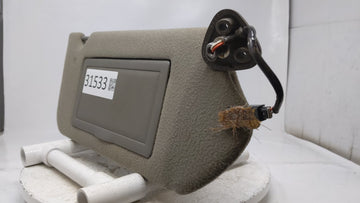
2000-2005 Chevrolet Impala Sun Visor Shade Replacement Passenger Right Mirror Fits Fits 2000 2001 2002 2003 2004 2005 OEM Used Auto Parts
2000-2005 Chevrolet Impala Sun Visor Shade Replacement Passenger Right Mirror Fits Fits 2000 2001 2002 2003 2004 2005 OEM Used Auto Parts
SKU: 31533Regular price $ 34.41Sale price $ 34.41 Regular priceUnit price per$ 28.05 -
2000-2005 Chevrolet Impala Sun Visor Shade Replacement Passenger Right Mirror Fits Fits 2000 2001 2002 2003 2004 2005 OEM Used Auto Parts
2000-2005 Chevrolet Impala Sun Visor Shade Replacement Passenger Right Mirror Fits Fits 2000 2001 2002 2003 2004 2005 OEM Used Auto Parts
SKU: 272131Regular price $ 34.41Sale price $ 34.41 Regular priceUnit price per$ 27.70 -
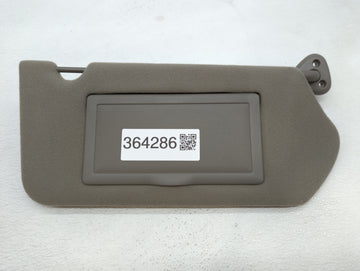
2000-2005 Chevrolet Impala Sun Visor Shade Replacement Passenger Right Mirror Fits Fits 2000 2001 2002 2003 2004 2005 OEM Used Auto Parts
2000-2005 Chevrolet Impala Sun Visor Shade Replacement Passenger Right Mirror Fits Fits 2000 2001 2002 2003 2004 2005 OEM Used Auto Parts
SKU: 364286Regular price $ 34.41Sale price $ 34.41 Regular priceUnit price per$ 30.20 -
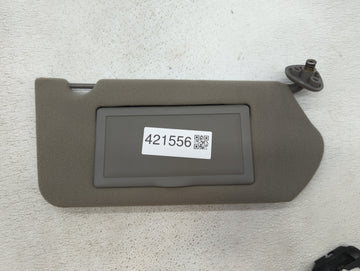
2000-2005 Chevrolet Impala Sun Visor Shade Replacement Passenger Right Mirror Fits Fits 2000 2001 2002 2003 2004 2005 OEM Used Auto Parts
2000-2005 Chevrolet Impala Sun Visor Shade Replacement Passenger Right Mirror Fits Fits 2000 2001 2002 2003 2004 2005 OEM Used Auto Parts
SKU: 421556Regular price $ 34.41Sale price $ 34.41 Regular priceUnit price per$ 33.01 -
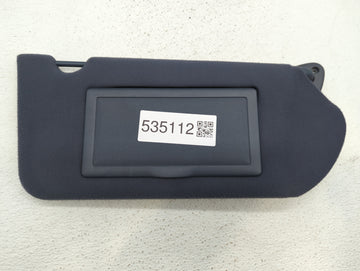
2000-2005 Chevrolet Impala Sun Visor Shade Replacement Passenger Right Mirror Fits Fits 2000 2001 2002 2003 2004 2005 OEM Used Auto Parts
2000-2005 Chevrolet Impala Sun Visor Shade Replacement Passenger Right Mirror Fits Fits 2000 2001 2002 2003 2004 2005 OEM Used Auto Parts
SKU: 535112Regular price $ 34.41Sale price $ 34.41 Regular priceUnit price per$ 30.20 -
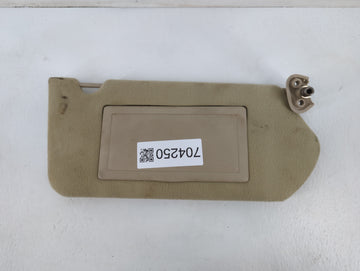
2000-2005 Chevrolet Impala Sun Visor Shade Replacement Passenger Right Mirror Fits Fits 2000 2001 2002 2003 2004 2005 OEM Used Auto Parts
2000-2005 Chevrolet Impala Sun Visor Shade Replacement Passenger Right Mirror Fits Fits 2000 2001 2002 2003 2004 2005 OEM Used Auto Parts
SKU: 704250Regular price $ 34.41Sale price $ 34.41 Regular priceUnit price per$ 28.25 -
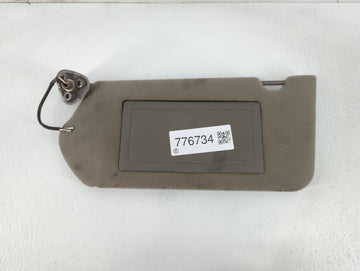
2000-2005 Chevrolet Impala Sun Visor Shade Replacement Passenger Right Mirror Fits Fits 2000 2001 2002 2003 2004 2005 OEM Used Auto Parts
2000-2005 Chevrolet Impala Sun Visor Shade Replacement Passenger Right Mirror Fits Fits 2000 2001 2002 2003 2004 2005 OEM Used Auto Parts
SKU: 776734Regular price $ 34.41Sale price $ 34.41 Regular priceUnit price per$ 37.10Sale -
2000-2005 Chevrolet Impala Sun Visor Shade Replacement Passenger Right Mirror Fits Fits 2000 2001 2002 2003 2004 2005 OEM Used Auto Parts
2000-2005 Chevrolet Impala Sun Visor Shade Replacement Passenger Right Mirror Fits Fits 2000 2001 2002 2003 2004 2005 OEM Used Auto Parts
SKU: 1046263Regular price $ 38.55Sale price $ 38.55 Regular priceUnit price per$ 52.00Sale -
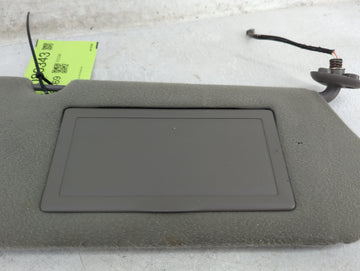
2000-2005 Chevrolet Impala Sun Visor Shade Replacement Passenger Right Mirror Fits Fits 2000 2001 2002 2003 2004 2005 OEM Used Auto Parts
2000-2005 Chevrolet Impala Sun Visor Shade Replacement Passenger Right Mirror Fits Fits 2000 2001 2002 2003 2004 2005 OEM Used Auto Parts
SKU: 1089343Regular price $ 34.41Sale price $ 34.41 Regular priceUnit price per$ 34.41














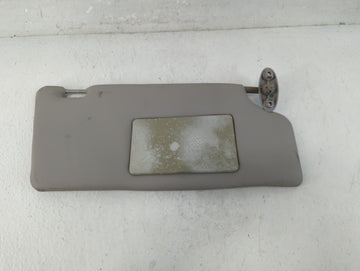

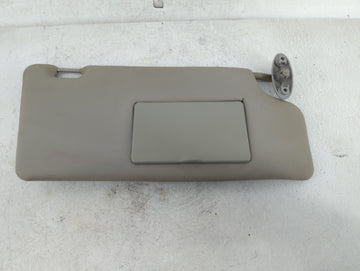

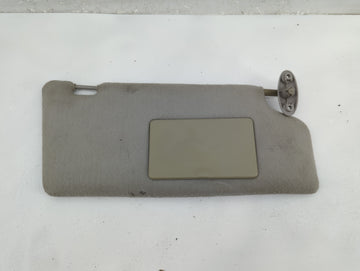

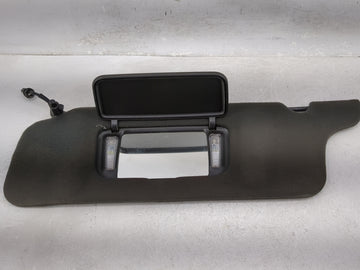

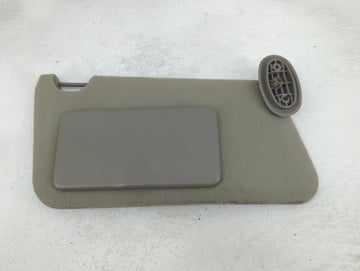

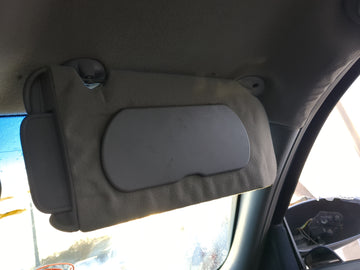

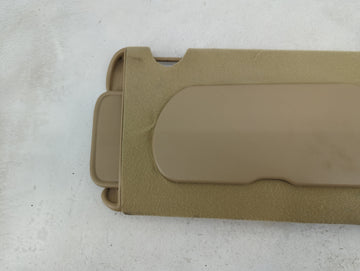

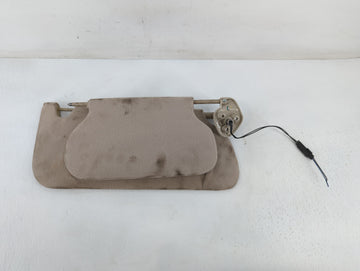















Frequently Asked Questions
What does a sun visor do in a car?
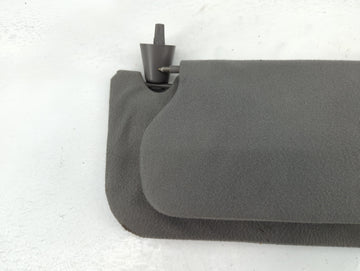
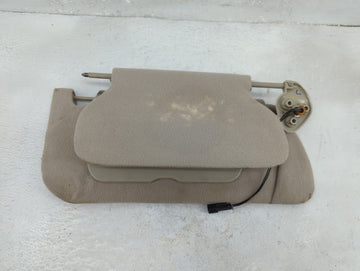
A sun visor helps block sunlight and glare while driving, improving visibility and reducing eye strain. Many visors also include features such as vanity mirrors, lights, or extension panels for additional coverage.
Can I replace a sun visor myself?
In most vehicles, replacing a sun visor is a straightforward job that requires only basic hand tools. The visor is usually secured with a few screws or clips, making installation relatively simple for most vehicle owners.
How do I know if a sun visor will fit my vehicle?
The best way to confirm fitment is by checking your vehicle's year, make, model, and trim level. You can also use your VIN to verify compatibility and ensure you receive the correct replacement visor.
Why does my sun visor keep falling down?
A sun visor usually falls down because the internal hinge or tension mechanism has worn out over time. This is a common problem in older vehicles and often becomes worse with repeated use. In most cases, replacing the visor assembly is the simplest and most effective solution.
Can a broken sun visor affect driving safety?
Yes. A damaged or loose sun visor can obstruct your view or fail to block sunlight effectively, making it harder to see the road in bright conditions. Replacing a faulty visor can help improve driving comfort and visibility.
Are used OEM sun visors a good replacement option?
Yes, used OEM sun visors are often a practical replacement for damaged, loose, or sagging visors. Because they were originally designed for a specific vehicle, they typically match the factory mounting points, color, shape, and built-in features. Choosing a used OEM visor can help restore the original appearance and functionality of your vehicle's interior without the cost of a new part.